Firepod
Fire sculpture and MIDI control system
Six steel claws spring from the earth and throw fireballs in time with music. I built much of the MIDI control system, including software that turns musical events into fire events.
Watch it burnI make things with AI and sound that people hear, use, and keep.
Creative technologist in Seattle. Thirty years of voice, story, software, places, and the occasional fireball.
Ideas that started as a question and ended up in front of real people.
Large, strange things built with some very capable friends.
Fire sculpture and MIDI control system
Six steel claws spring from the earth and throw fireballs in time with music. I built much of the MIDI control system, including software that turns musical events into fire events.
Watch it burnInteractive installation, also known as Never Trust a Tree
Confess your darkest secret into a lonely, stoic tree and let it carry your shame into the ground. Or so you think. Trees talk, and another tree's roots may pick up your secret and share it with the world.
Electric Sky, Skykomish, WA, 2024
Find the Fartemon hiding in the woods, match their farts to your cards, then win at the arcade game to unlock two minutes in outhouse nuclear fart heaven. Describing it further would be madness.
Mixing, editing, consulting, and a few appearances in front of the camera.
Seattle, WA
I work where sound, story, and software meet. Lately that means turning frontier models into experiences with a human voice.
I spent 18 years at Adobe, starting with the Cool Edit Pro team that became Audition. I grew into product lead for Adobe's audio technologies and carried AI features from Adobe Research into tools used tens of millions of times. I co-founded Otto Music, an adaptive music app. Today I'm AI Development Director at Reelworld, where I design, build, and ship AI voice products heard on 300+ radio stations.
I believe AI belongs in creative work as a collaborator that respects the craft and the people behind it. I still write the code, design the experience, and talk to the people who use it.
The only About I know by heart is from the back of The Jedi Master's Quizbook, which I read in second grade: Rusty Miller was an enterprising eleven-year-old in Florida when he compiled it, and it was his first published work. I'm still working on mine.
After decades of consolidation, commercial radio lost much of the locality and immediacy that made it so special. While I can't build local production facilities and send interns into malls and venues to get real recordings, we can at least bring fresh, hyperlocal listener soundbites back to the experience.
The voices come from a 20-year archive of real people recorded at fairs, concerts, malls, and events. It's why LISTENERS sounds like an actual audience instead of a generic synthetic voice.
I designed the product and built much of the backend myself: it orchestrates OpenAI models with ElevenLabs, XTTS, and open-source speech models, and a post-processing server runs commercial VST effect chains so every spot matches the station's sound.
The response has been nothing short of totally awesome. Listeners can hear what's happening in their towns, at their shops, and with their neighbors.
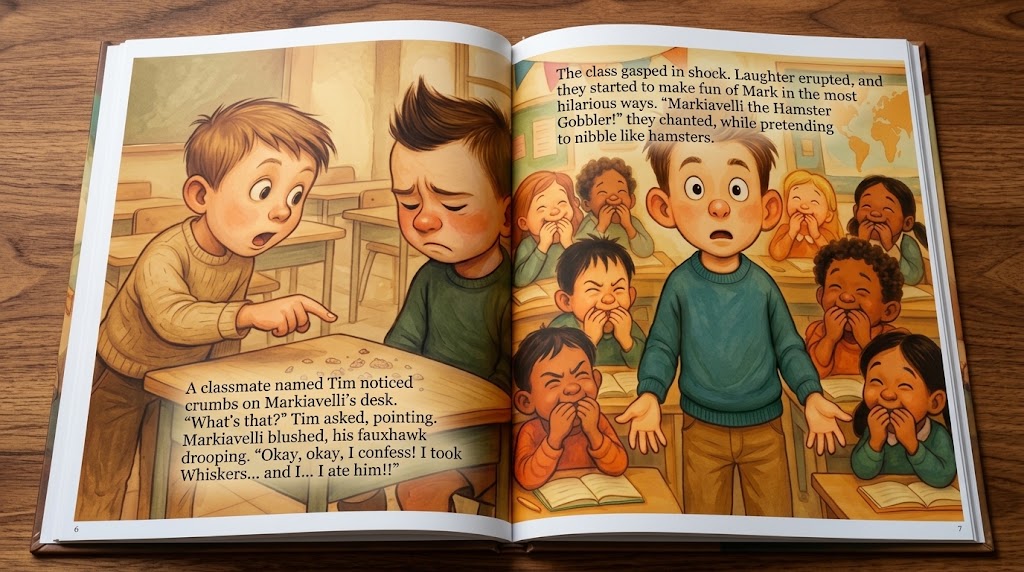
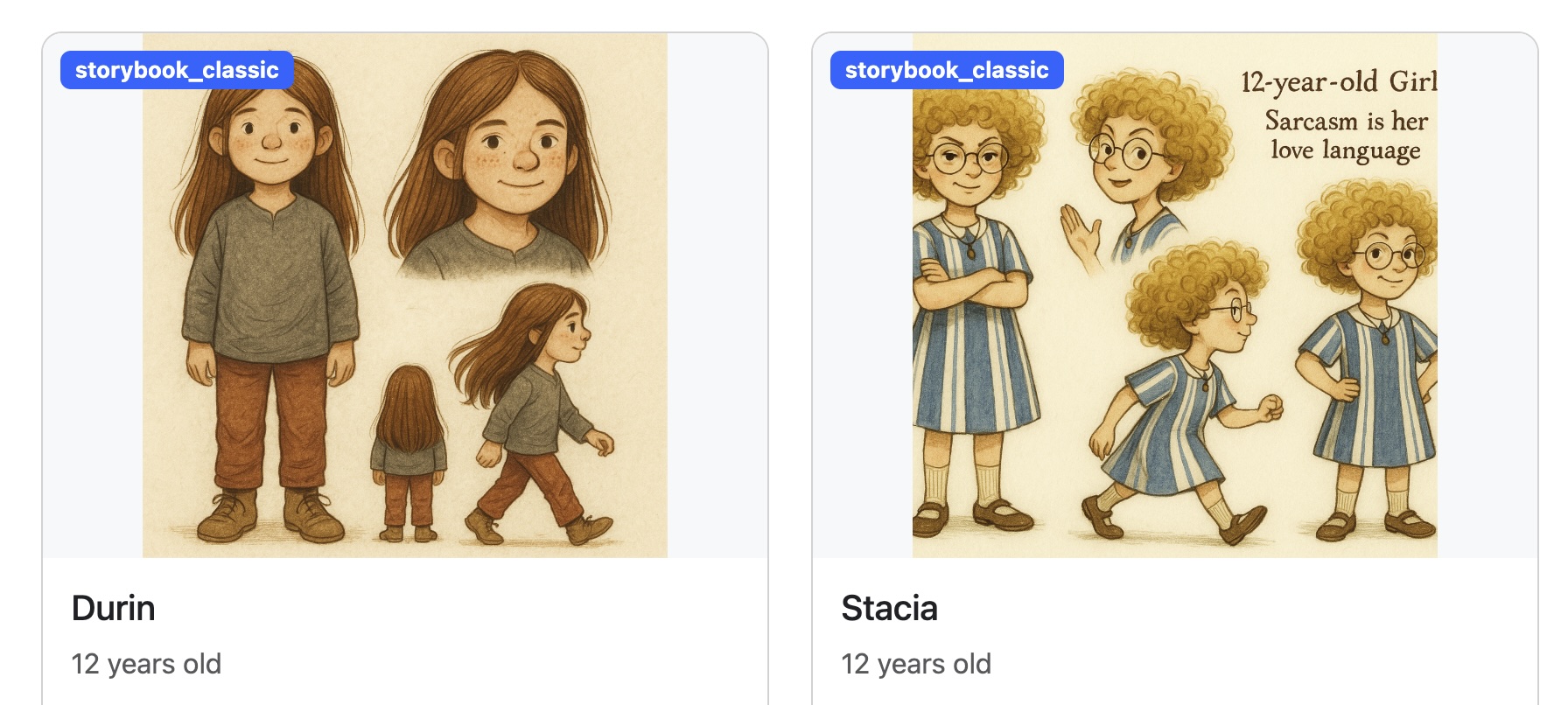
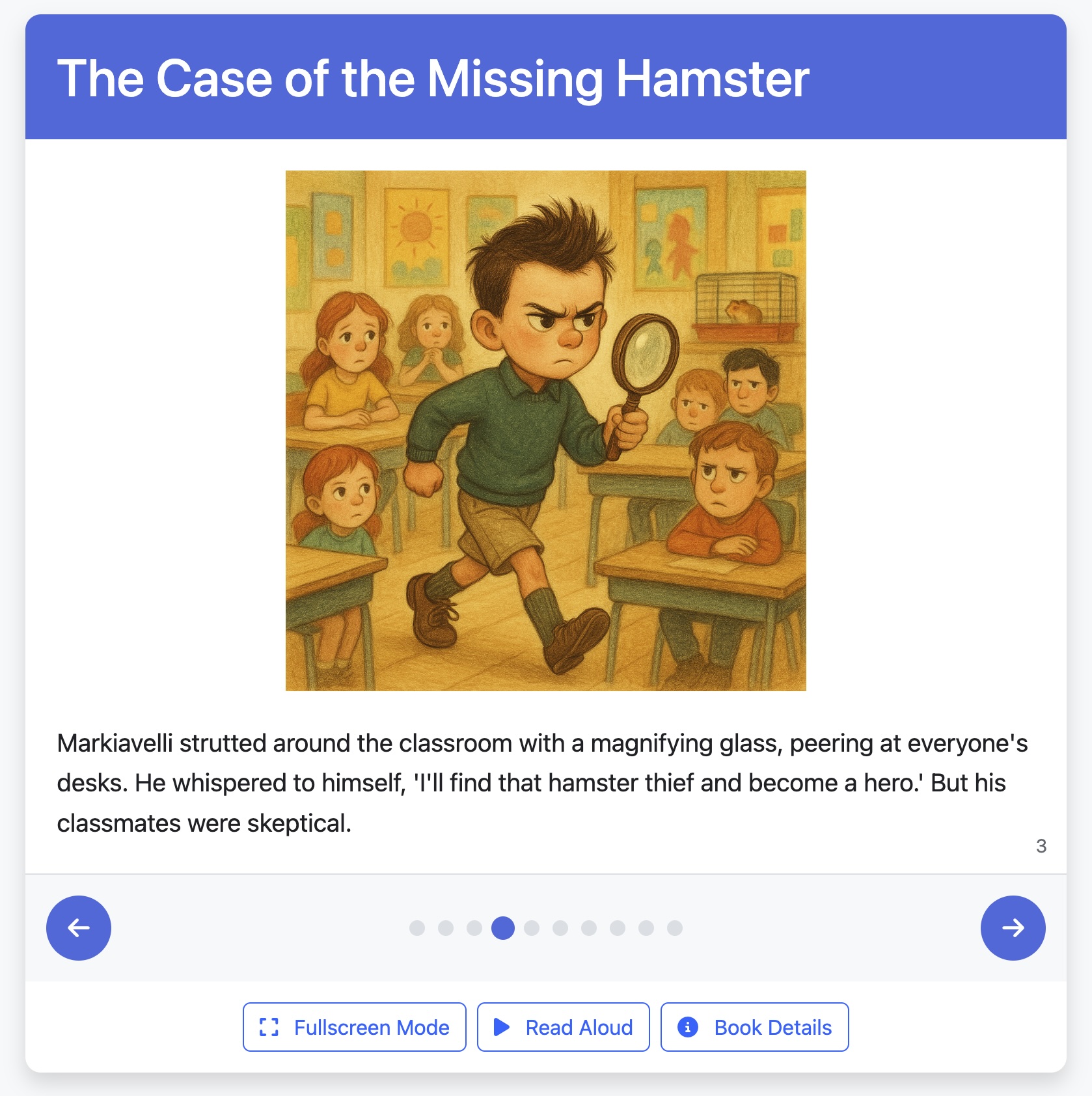
My name is Durin. They do not make novelty license plates or coffee mugs for me in gift shops. So when my grandparents gave me a book with MY name in it for Christmas, I couldn't believe it. It was just a cheesy, generic book from a mall kiosk with some basic printing, but it was special. I wanted to bring that feeling to every kid, but make it more unique and personal, and encourage a love of reading.
I designed, engineered, and launched it on my own: an end-to-end AI pipeline that goes from a few details about a child to a finished, illustrated story. Favorite titles can be ordered as printed hardcover keepsakes.
Families found it without any promotion at all. The keepsake hardcovers turned a digital experiment into something that lives on a shelf.


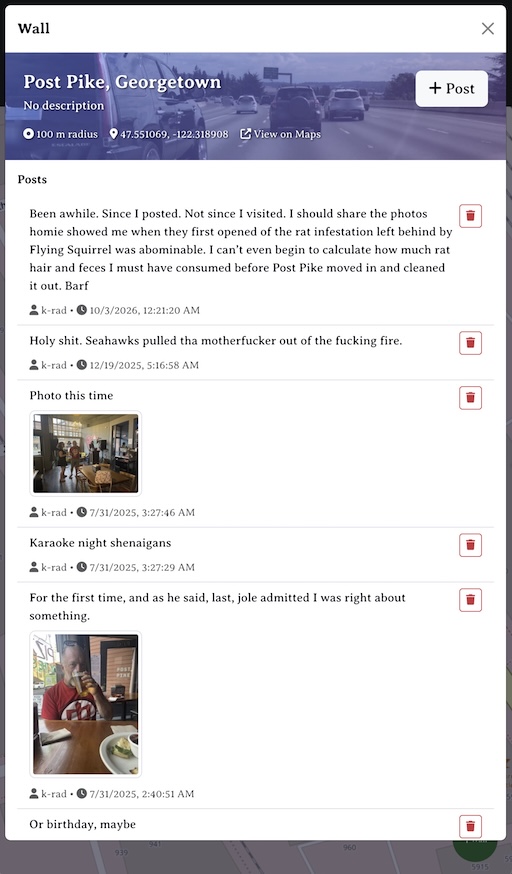
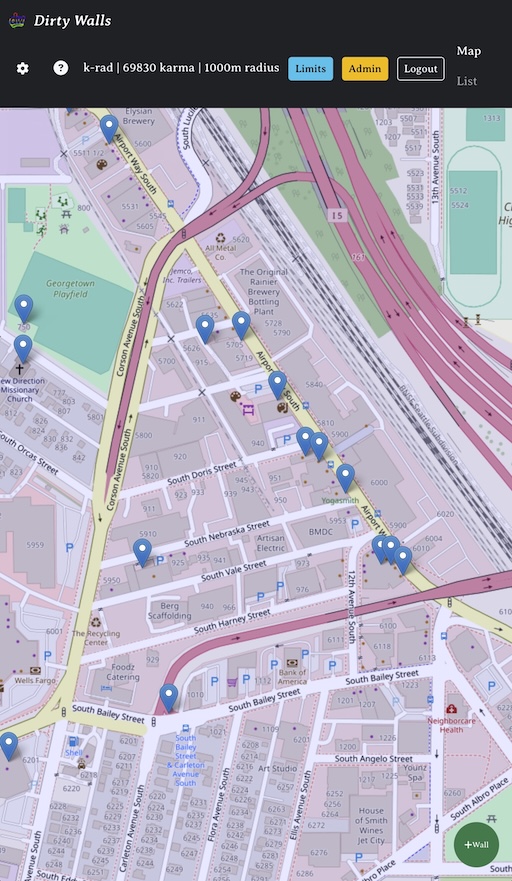
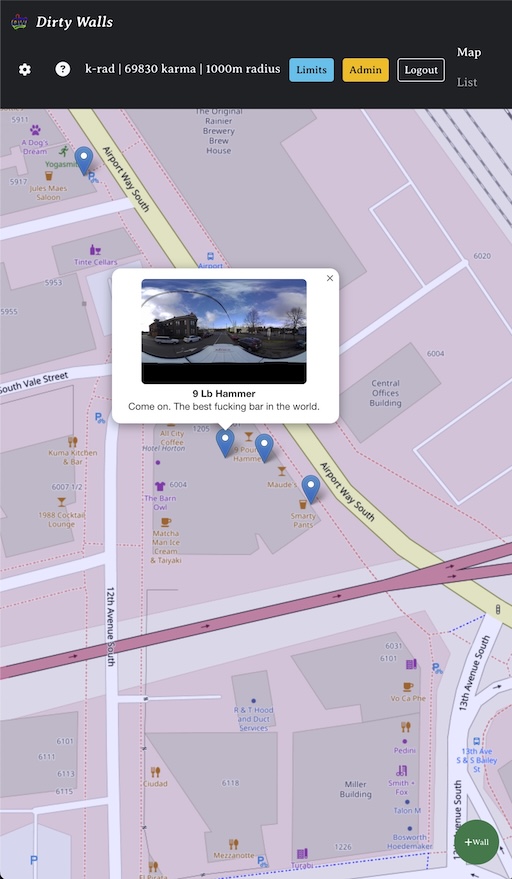
Most social apps organize people by who they follow. DirtyWalls organizes them by where they are. Each wall belongs to a real place, like a bar, an apartment building, or a park, so strangers who share a space can talk, joke, and leave traces for whoever comes next.
I designed, built, and launched it on my own. People post notes and photos anonymously and in real time, and anyone can start a wall for a new place.
Walls have spread to more than 40 countries. Running it for fifteen years has been a long study in how communities form around shared places and how people move through them.
What happens when a place can answer back? Frontier models could give a wall its own voice, shaped by everything people have said there.
Stations need a constant stream of promos, sweepers, IDs, and giveaways. AI VO produces them in the station's own sonic brand, fast enough to keep up.
I built the APIs that create and direct virtual voice talent, and the processing that matches each read to a station's sound.
A major radio network signed an annual contract six days after launch, before its free trial had ended.
I'm designing a licensing model that lets working voice actors turn their own voices into AI VO and earn from the extra work their clients create.
Remix rebuilds any song to fit the length of a video. Enhance Speech makes rough dialogue sound clean and studio-ready. Both began as research prototypes.
I worked between Adobe Research and the Audition and Premiere Pro teams, supplying real-world training content that shaped the models and carrying them into shipping apps.
I also designed the Essential Sound Panel, which turns professional audio post workflows into simple choices video editors can actually use. Its pattern spread to other Adobe apps.
Audition became the leading tool for podcast and online video production, with more than 80% of the professional podcast post-production market at its peak.
Built with Adobe Research and the Audition and Premiere Pro teams.

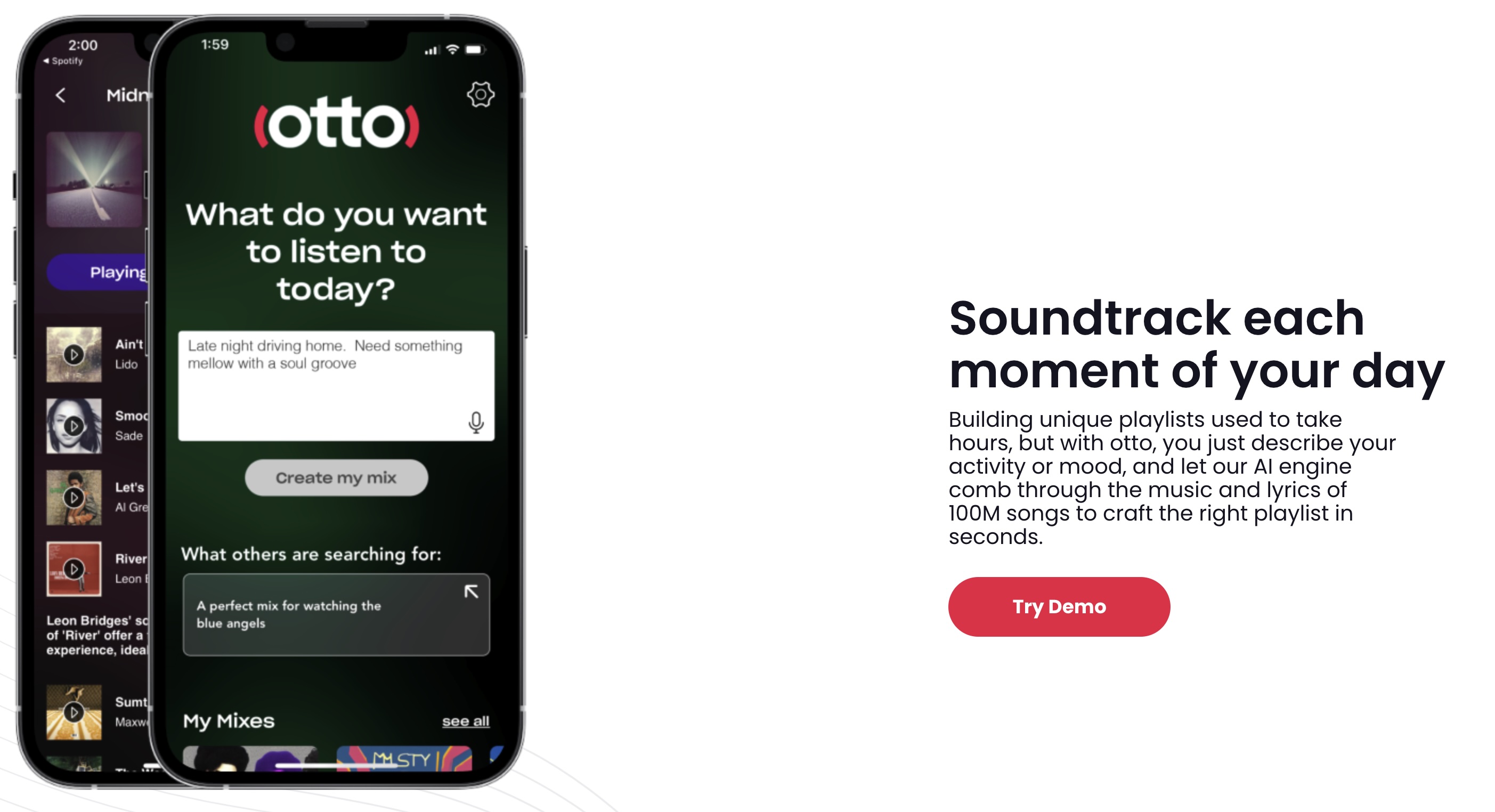
Otto started as a fitness music app. I led the pivot to contextually-aware music streaming that adapts to what you're doing, where you are, and how you feel, building playlists on the fly.
I built the web app myself as a prototype for user testing, then directed a distributed engineering team in China and Bulgaria to ship on iOS. The recommendations came from OpenAI and Llama models plus a proprietary music model.
We wound Otto down when licensing partners froze anything labeled AI music, even though Otto recommended music and never generated it. It was a firsthand lesson in how culture shapes what a technology is allowed to be.